Material selection forms the foundation of heritage pantry organization. Traditional materials—glass, oak, brass, linen, and natural fibers—offer superior functionality while developing character through decades of use. This guide explores each material's properties and applications.
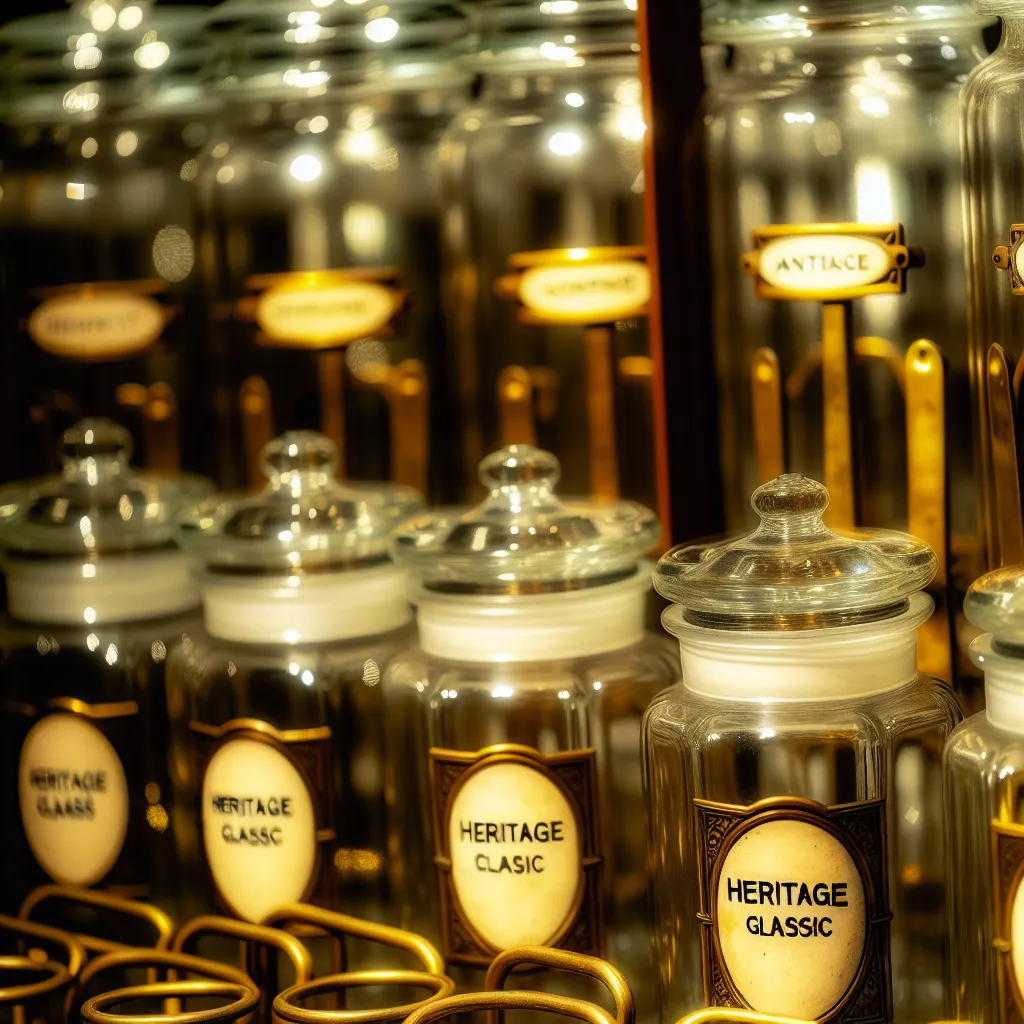
Glass: Transparency and Preservation
Properties and Benefits
Glass provides ideal food storage, combining visibility with preservation. Unlike plastic, glass doesn't absorb odors, stains, or chemicals. Its inert nature protects ingredient quality while allowing instant content identification.
- Non-reactive surface preserves ingredient flavor
- Complete transparency for easy inventory
- Durable and long-lasting with proper care
- Easily cleaned and sanitized
- Recyclable and environmentally sustainable
Selecting Quality Glass Containers
Look for thick, clear glass (minimum 3mm walls) with smooth surfaces free from bubbles. Vintage reproduction jars often provide best combination of traditional aesthetics and modern quality control.
Natural Oak: Strength and Warmth
Oak shelving represents the heritage standard for pantry organization. This hardwood combines exceptional strength with beautiful grain patterns that enhance with age.
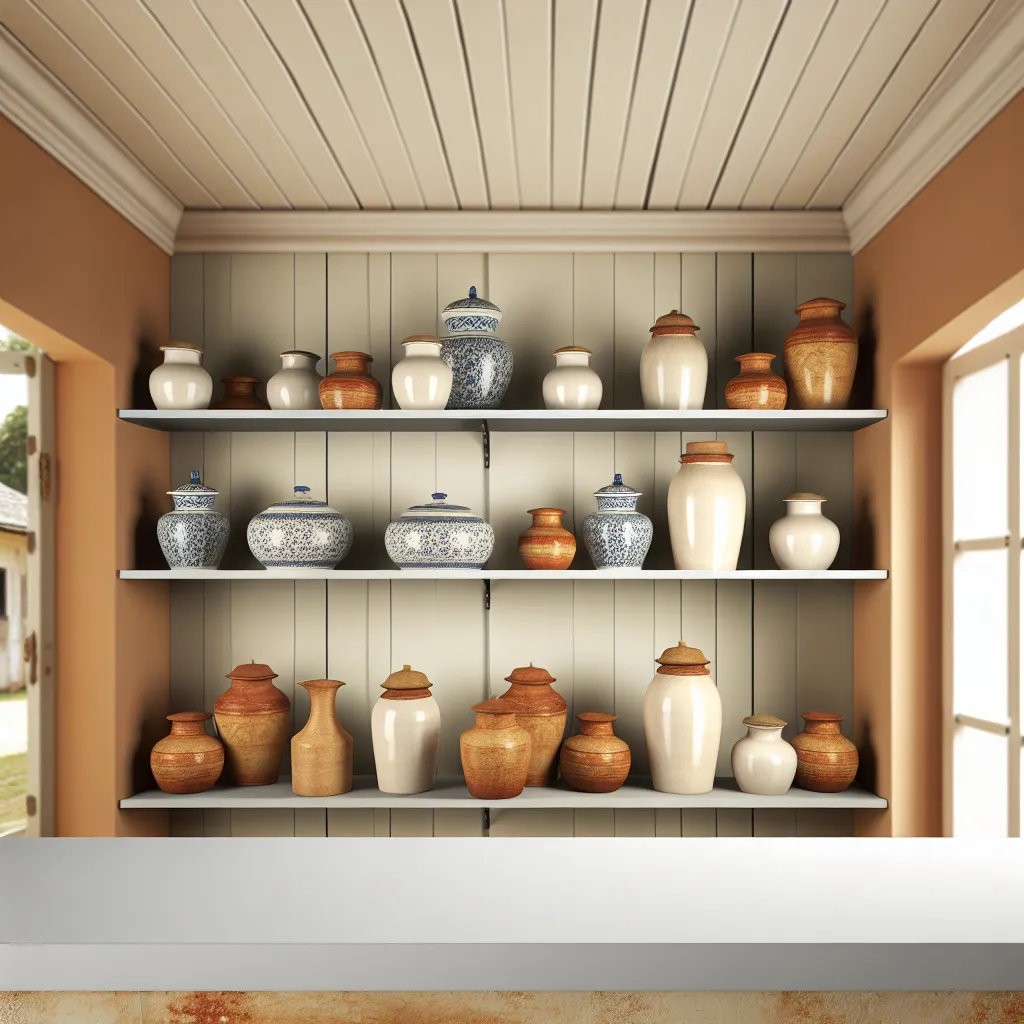
Oak's Unique Characteristics
- Durability: Supports heavy loads without sagging
- Stability: Minimal expansion/contraction with humidity changes
- Aging Beauty: Develops rich patina over years
- Natural Warmth: Creates inviting atmosphere
- Easy Maintenance: Simple cleaning with occasional oiling
Oak Finishing Options
- Natural/Raw: Showcases grain with minimal treatment
- Oiled: Food-safe oil enhances grain while providing protection
- Waxed: Traditional finish offering subtle sheen
- Clear Sealed: Modern protection maintaining natural appearance
Brass: Timeless Hardware Excellence
Brass hardware and accents provide both practical function and classical beauty. This copper-zinc alloy develops characteristic patina that heritage enthusiasts cherish.
Why Choose Brass
- Naturally antimicrobial properties
- Exceptional durability outlasting decades of use
- Beautiful patina development over time
- Can be polished back to bright finish anytime
- Adds warm metallic accents to neutral palettes
Brass Maintenance
Embrace natural patina for authentic heritage look, or polish quarterly with lemon and salt for bright finish. Avoid harsh chemical cleaners that damage brass surface.
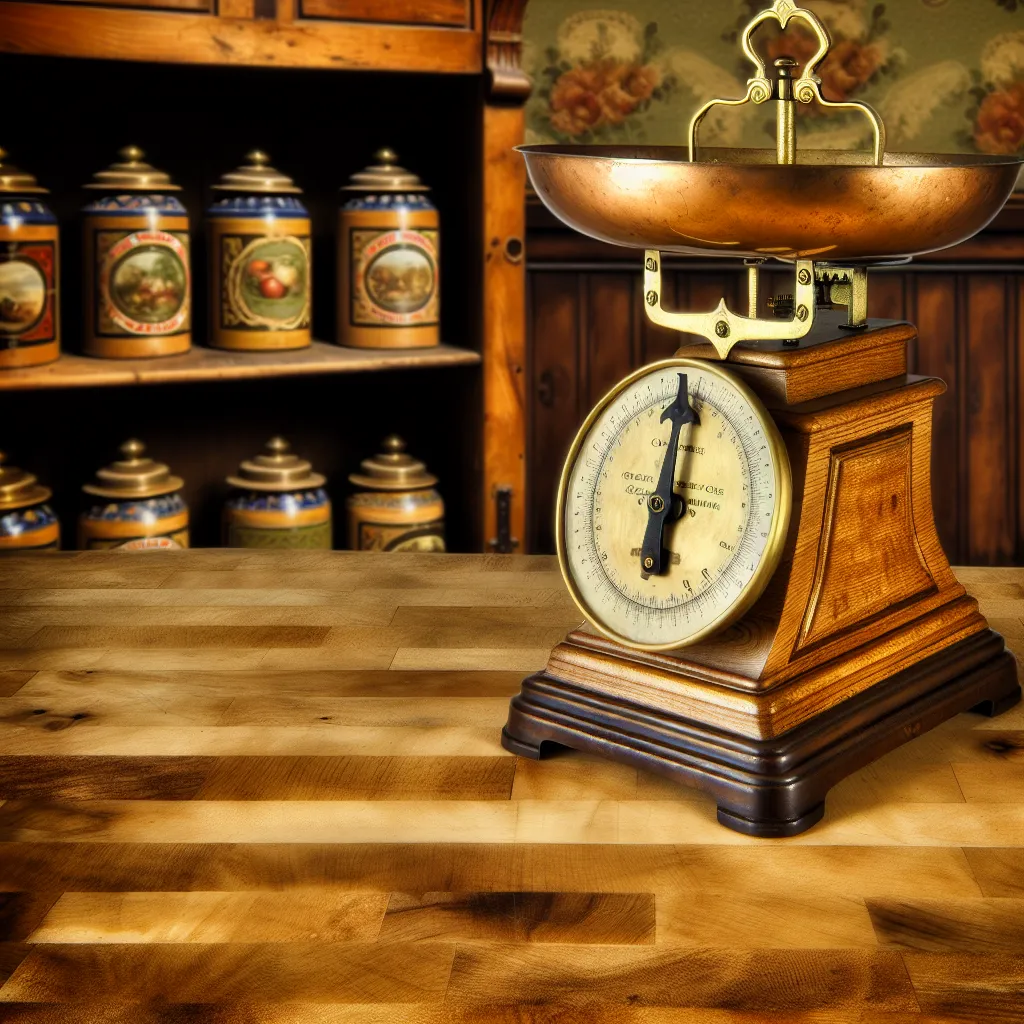
Linen: Natural Textile Excellence
Linen drawer liners and textile accents add refined texture while serving practical functions. This flax-derived fabric regulates moisture naturally.
Linen Advantages
- Natural moisture regulation prevents dampness
- Durable fiber strengthens with washing
- Elegant drape and sophisticated texture
- Natural color complements heritage aesthetics
- Sustainable and biodegradable material
Using Linen in Pantries
- Drawer liners protecting surfaces while adding texture
- Basket liners for natural storage solutions
- Window treatments diffusing natural light
- Decorative accents adding warmth
Natural Fibers: Basket and Textile Storage
Woven materials like rattan, willow, seagrass, and jute provide traditional storage with excellent breathability.
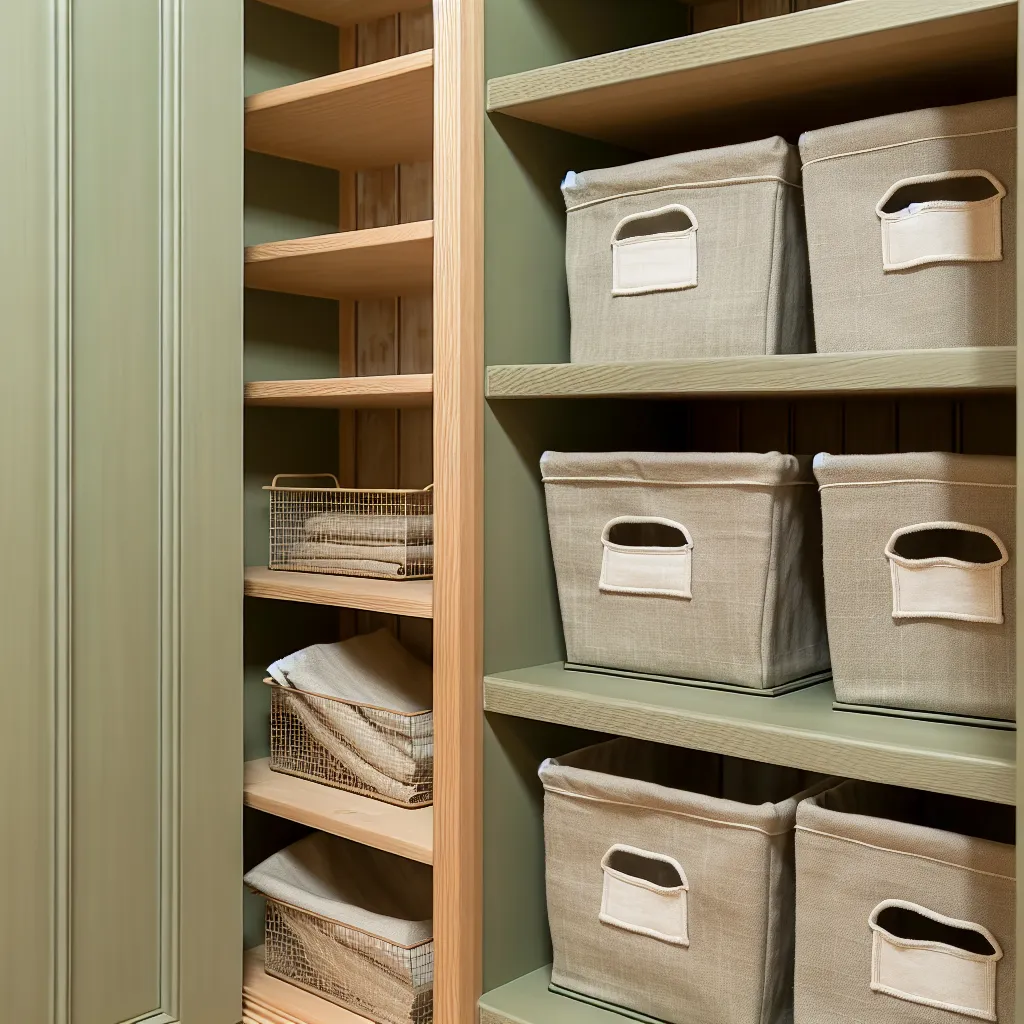
Selecting Quality Baskets
- Tight, even weaving without gaps
- Natural materials free from dyes and treatments
- Sturdy construction with reinforced handles
- Appropriate sizing for your specific storage needs
- Flat, stable bases for safe stacking
Avoiding Modern Materials
Heritage organization emphasizes traditional materials for good reason. Plastic containers degrade, stain, and absorb odors. Particleboard shelving sags and deteriorates. Chrome-plated hardware tarnishes and peels. Traditional materials offer superior performance justifying their investment.
Material Combinations
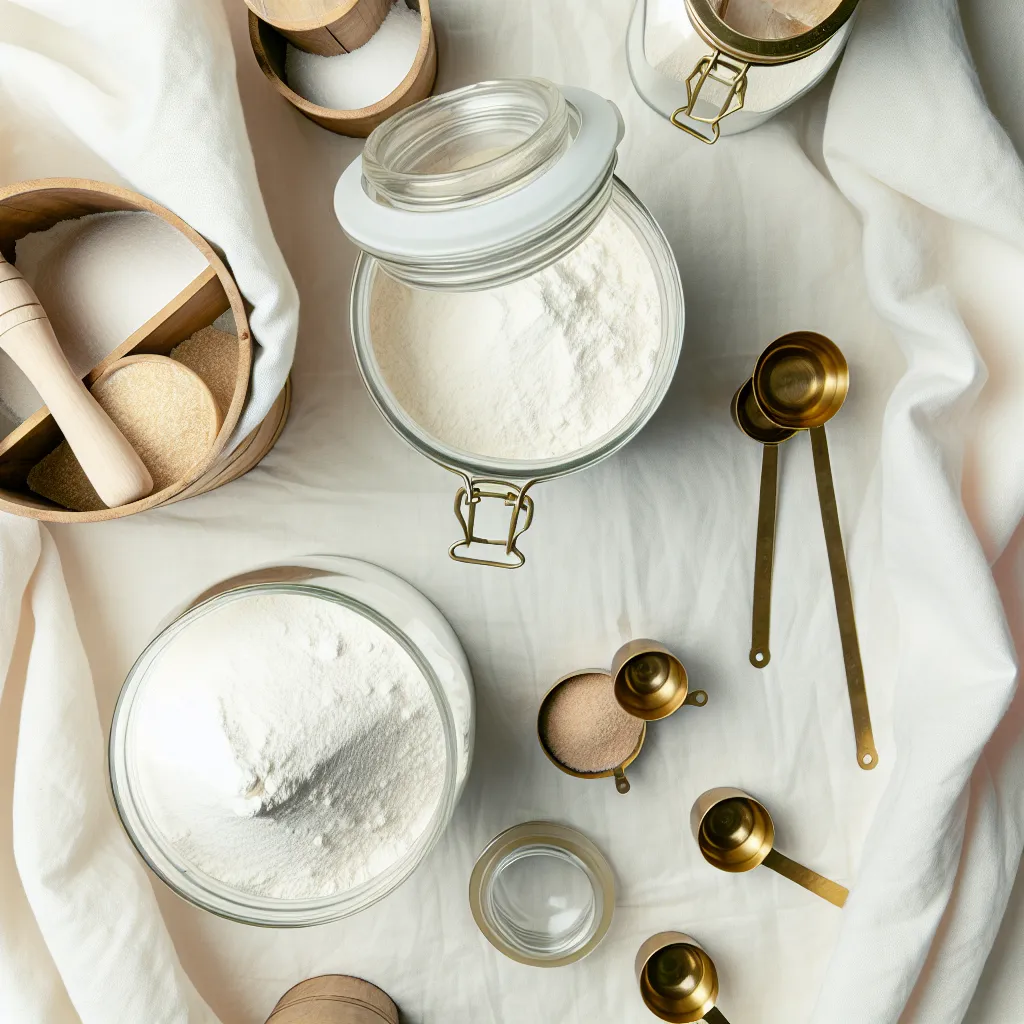
The most successful heritage pantries thoughtfully combine materials. Glass jars on oak shelving with brass hardware create cohesive classical design. Linen-lined baskets add textural interest. Natural variations within this palette prevent monotony while maintaining visual harmony.
Investment Perspective
Quality heritage materials represent lifetime investments. While initial costs exceed plastic alternatives, durability and timeless appeal provide superior long-term value. These materials serve multiple generations, developing character rather than requiring replacement.
Choosing traditional materials connects your pantry to centuries of proven storage wisdom while creating beauty that endures across decades.