A well-organized baking station represents the heart of heritage kitchen practice. This dedicated zone brings together ingredients, tools, and workspace in harmonious arrangement that honors traditional baking while supporting modern creativity.

Essential Baking Ingredients
Traditional baking stations maintain a core collection of essentials, always at hand for spontaneous creation or planned projects.
Flour Collection
- All-purpose unbleached flour in large canister (5-8 lbs)
- Bread flour for yeasted baking
- Cake flour for delicate pastries
- Whole wheat flour for hearty breads
- Specialty flours (almond, oat, rye) in smaller containers
Sweeteners and Leavening
- Granulated sugar in heritage jar (3-5 lbs)
- Brown sugar in airtight container with terra cotta disk
- Powdered sugar for finishing and frostings
- Baking powder and baking soda in small jars with dates labeled
- Active dry yeast stored cool and dry
Storage Wisdom
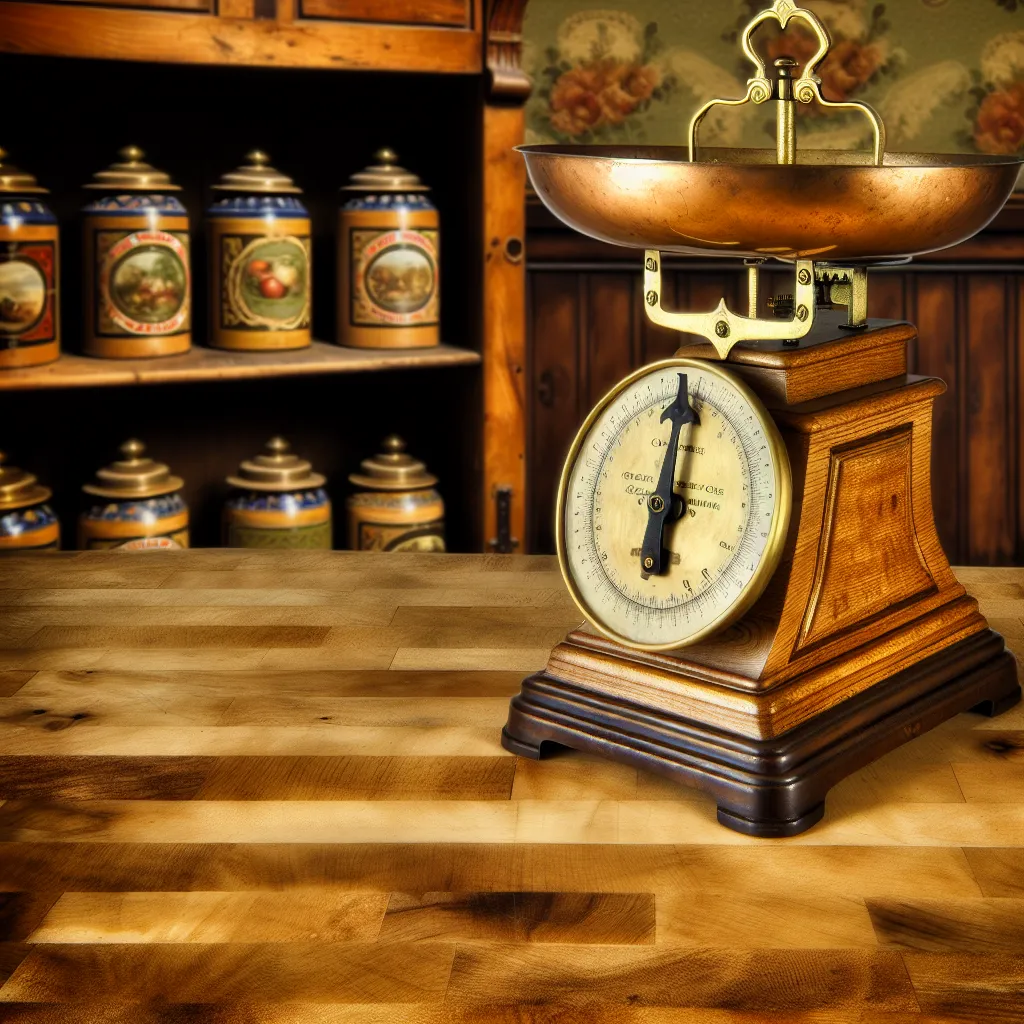
Store flours in cool, dark locations using airtight containers. Whole grain flours, with their natural oils intact, benefit from refrigeration if space allows. Always label with purchase dates for freshness tracking.
Organizing Baking Tools
Heritage baking stations integrate tool storage seamlessly, keeping implements accessible while maintaining elegant aesthetics.
Essential Implements
- Wooden rolling pins in dedicated slots or on wall-mounted brass hooks
- Vintage measuring cups and spoons displayed on hooks
- Wire whisks hanging from brass rail
- Pastry brushes in ceramic crock
- Offset spatulas and icing tools in drawer organizers
- Sifters and sieves stored near flour containers
Counter Space Integration
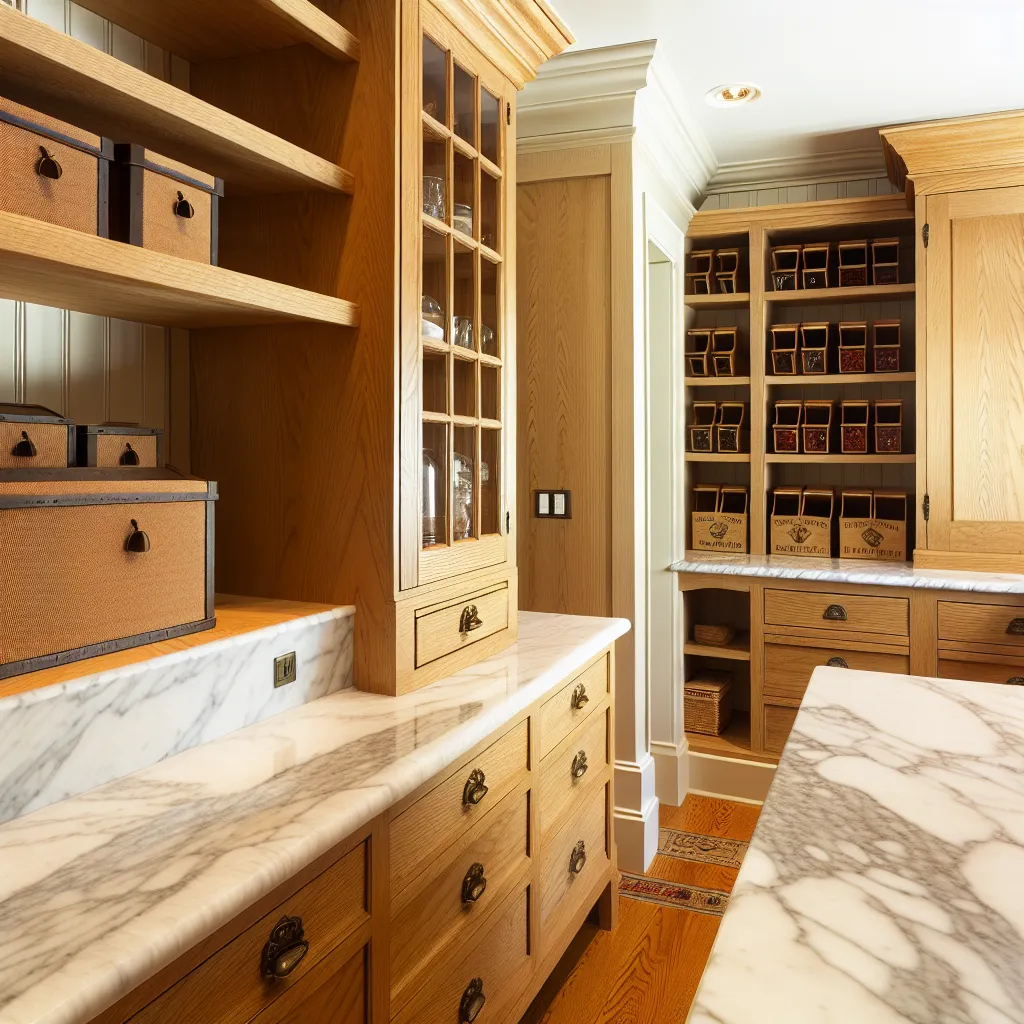
Ideally, your baking station includes dedicated counter workspace—a section of natural oak, marble, or butcher block reserved for rolling pastry and assembling ingredients.
Workspace Materials
Marble surfaces remain cool, ideal for pastry work. Natural oak develops character through use. Both materials honor heritage aesthetics while providing practical functionality.
Practical Placement
Position your baking station away from the stove's heat, which can soften butter and affect ingredient temperatures. Natural light benefits dough assessment, but direct sun should be avoided for ingredient storage.
Decorative Elements Integration
Traditional baking stations balanced function with beauty. Vintage mixing bowls, ceramic measuring cups, and copper molds serve dual roles as working tools and decorative elements.
Display-Worthy Storage
- Vintage canisters arranged by height for visual interest
- Copper mixing bowls nested on open shelving
- Antique rolling pins displayed on brass hooks
- Heritage recipe books stored within easy reach
- Vintage baking molds as sculptural accents

Recipe Integration
Keep treasured recipes accessible. Traditional methods include recipe boxes with handwritten cards, well-worn cookbooks on dedicated shelves, or a kitchen journal for perfecting family favorites.
Recipe Organization
- Brass recipe box for family handwritten cards
- Cookbook stand for active reference during baking
- Kitchen journal for notes and adjustments
- Vintage recipe cards displayed in brass frames
Seasonal Adaptations
Baking stations shift with seasons. Summer emphasizes lighter ingredients and fruit preserves, while winter welcomes robust whole grain flours and warming spices.
Your heritage baking station becomes more than storage—it's a creative sanctuary honoring generations of baking tradition while supporting your contemporary kitchen practice. The combination of thoughtful organization, quality ingredients, and beautiful materials inspires regular baking that nourishes both body and spirit.
Growing Your Station
Build your baking station gradually, adding specialty flours, vintage tools, and organizational elements as your practice deepens. This organic growth ensures each addition serves genuine needs while developing collection coherence.