Spice organization represents one of the most refined aspects of heritage pantry design. These precious aromatics deserve storage that preserves potency while creating beautiful, accessible displays inspired by traditional apothecary systems.
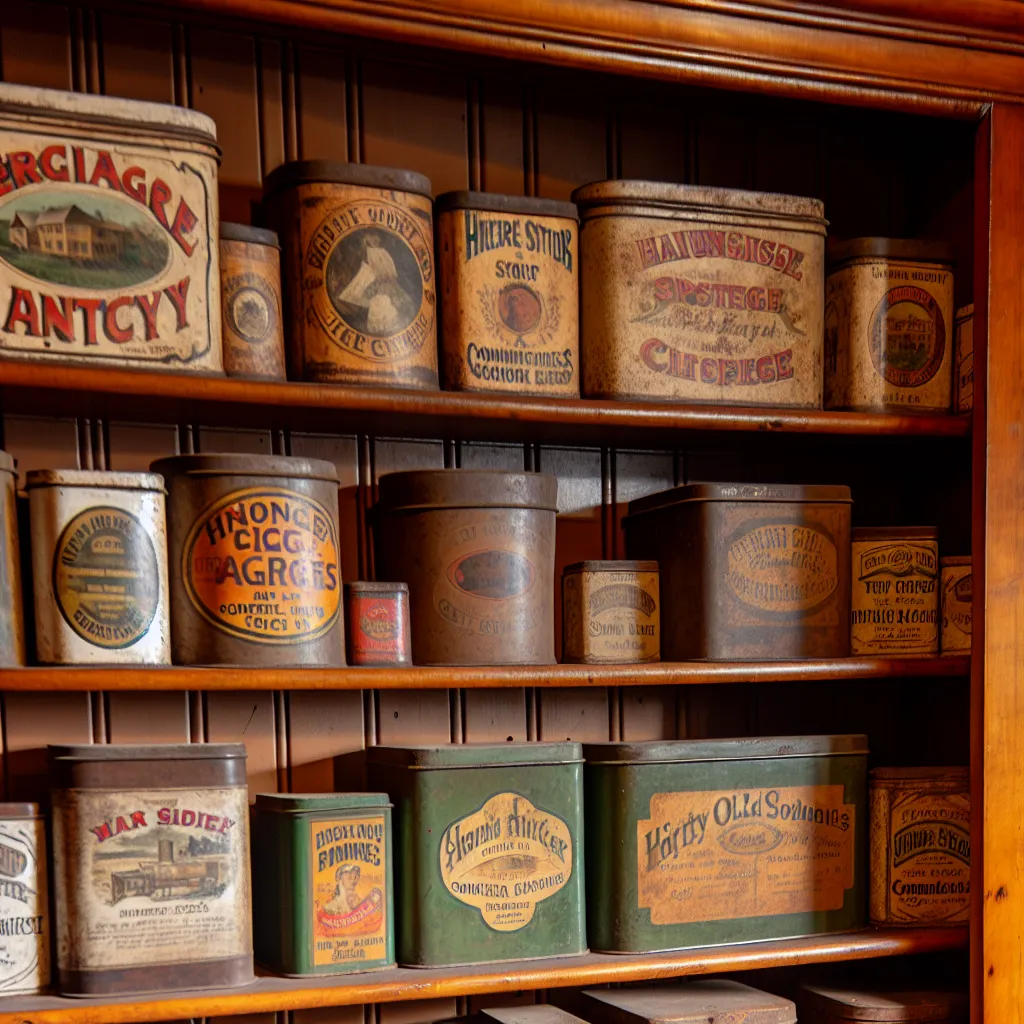
The Apothecary Approach
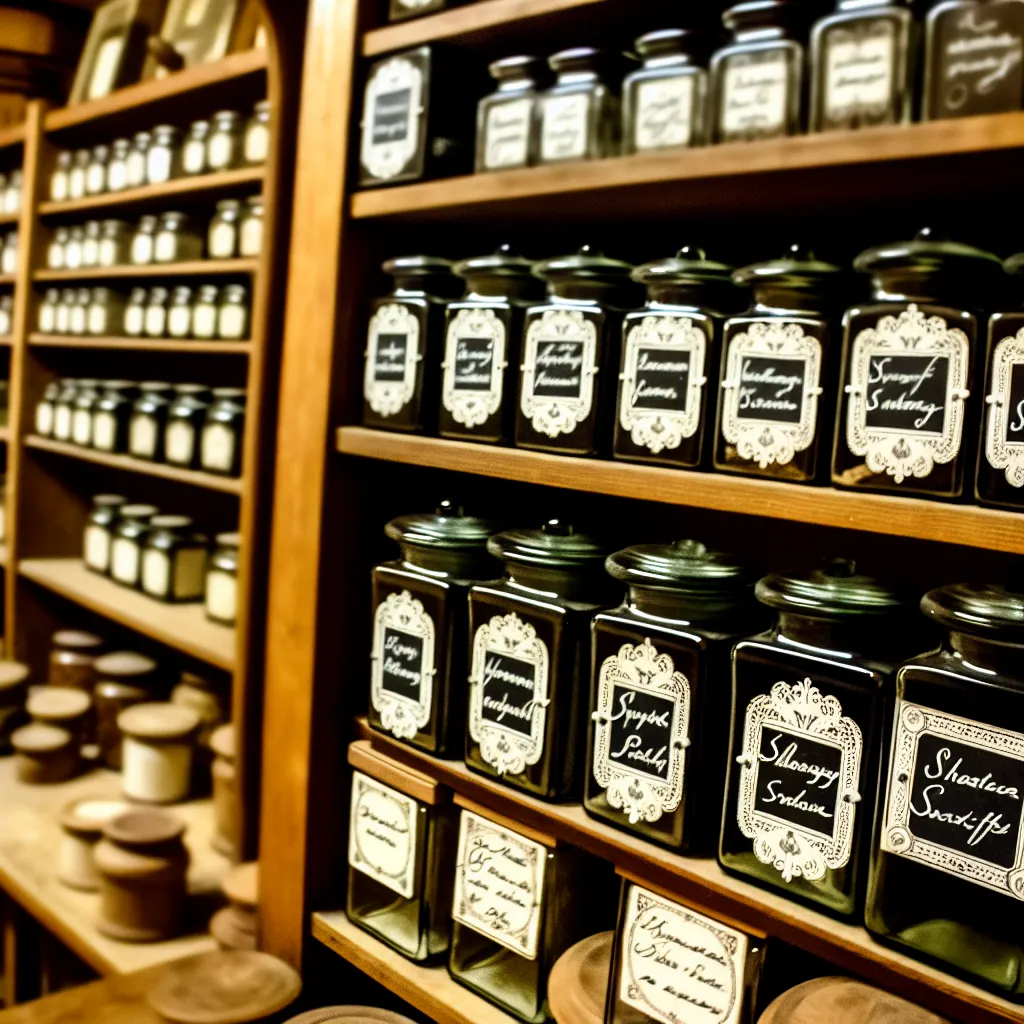
Traditional spice storage drew from pharmaceutical practices, using small, labeled jars arranged for quick identification and access. This system remains ideal for modern kitchens, combining practical efficiency with elegant aesthetics.
Container Selection
- Small glass jars (2-4 oz) with tight-sealing lids
- Amber or dark glass for light-sensitive spices
- Uniform jar sizes for visual consistency
- Wide mouths for measuring spoon access
- Vintage apothecary jars for special display
Preservation Principle
Light, heat, air, and moisture damage spices. Heritage organization addresses all four through careful container choice, strategic pantry placement, and regular rotation practices.
Organizational Systems
Three traditional approaches serve different space configurations and aesthetic preferences.
Shelf Display Method
Shallow shelves (4-6 inches deep) dedicated to spice storage create beautiful displays while ensuring visibility. Arrange alphabetically or by cuisine type for intuitive access.
Drawer Organization
Dedicated spice drawers with tilted inserts or custom dividers allow flat storage where labels face upward. This method maximizes space while keeping spices easily identifiable.
Cabinet Door Solutions
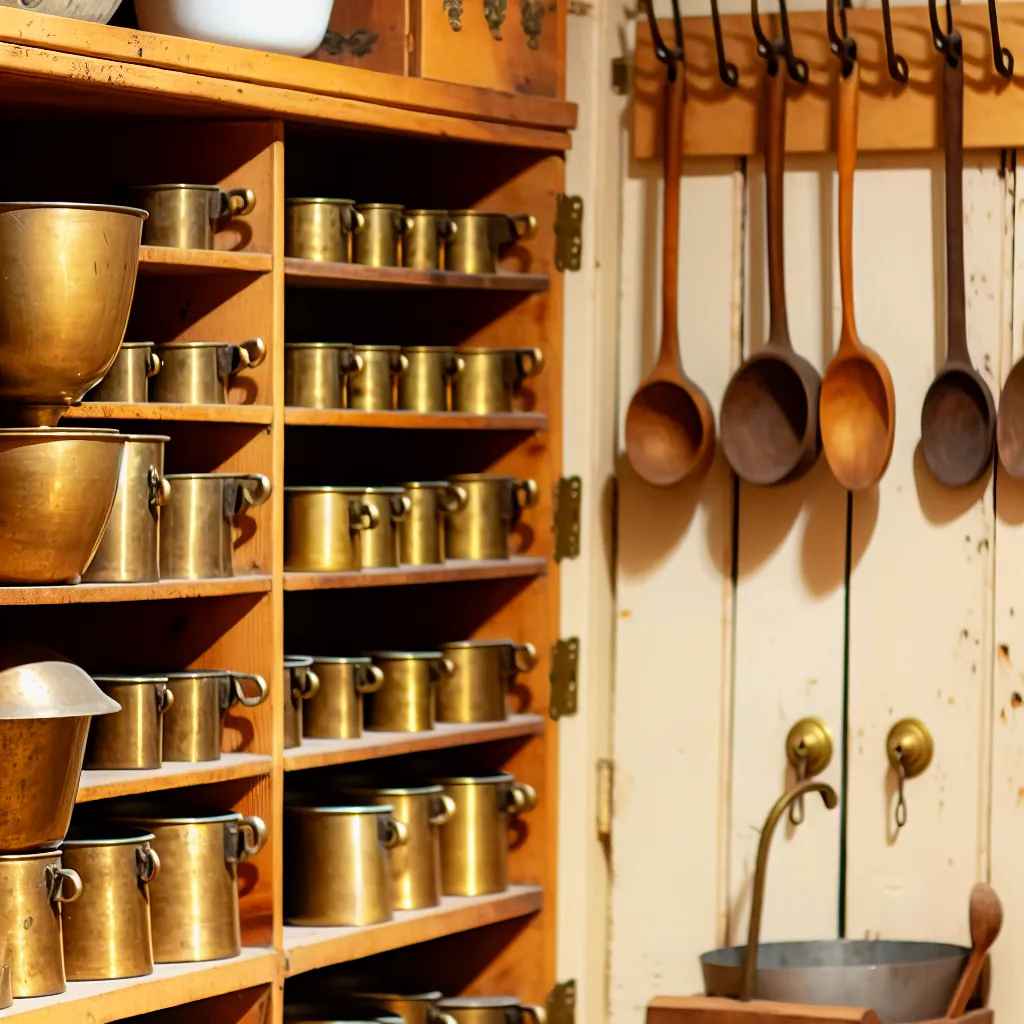
Interior cabinet door racks utilize otherwise-wasted space. Traditional designs use brass railing with small shelves, creating practical storage that honors heritage aesthetics.
Labeling Excellence
Clear, elegant labeling elevates spice organization from functional to beautiful. Traditional methods emphasized legibility and lasting quality.
- Handwritten labels using archival ink on cream cardstock
- Brass label holders clipped to jar rims
- Etched glass labels for permanent identification
- Include both common and botanical names
- Note purchase dates for freshness tracking
Freshness Management
Whole spices maintain potency for 2-3 years; ground spices 1-2 years. Label jars with purchase dates and conduct biannual freshness assessments, replacing spices that have lost aroma.
Categorization Strategies
Organize spices to reflect your cooking patterns. Traditional kitchens grouped by use rather than strict alphabetization.
Culinary Groupings
- Baking Spices: Cinnamon, nutmeg, cloves, ginger, allspice
- Savory Foundations: Bay leaves, thyme, oregano, basil, rosemary
- Warming Spices: Cumin, coriander, turmeric, paprika, curry blends
- Finishing Touches: Specialty salts, peppercorns, dried citrus
- International Aromatics: Star anise, cardamom, fennel, specialty blends
Integration with Pantry Design
Spice organization should complement overall pantry aesthetics. Natural oak shelving, brass hardware, and glass containers create cohesive heritage design.
Location Considerations
Store spices away from heat sources (stove, oven, sunny windows) in cool, dark pantry sections. Eye-level placement facilitates easy access during cooking.
Maintenance Routines
Regular maintenance preserves both spice quality and organizational beauty.
- Quarterly inventory and freshness assessment
- Wipe jar exteriors monthly to remove dust and cooking residue
- Vacuum or wipe shelves during seasonal pantry refreshes
- Replace labels as needed to maintain legibility
- Polish brass elements quarterly
Investment in Quality
Purchase whole spices and grind as needed using a dedicated mill. This traditional practice maximizes flavor while connecting you to centuries of culinary craft. The difference in aroma and taste justifies the minimal extra effort.
Creating Visual Harmony
Uniform containers, consistent labeling, and thoughtful arrangement transform functional spice storage into elegant pantry feature. This visual coherence reflects heritage design principles.
Well-organized spices inspire cooking creativity while honoring traditional kitchen wisdom. The combination of beauty and functionality exemplifies heritage pantry living at its finest.