The walk-in pantry represents the ultimate expression of heritage kitchen storage. This dedicated room combines generous capacity with refined aesthetics, creating sanctuary spaces that make pantry organization a daily pleasure.
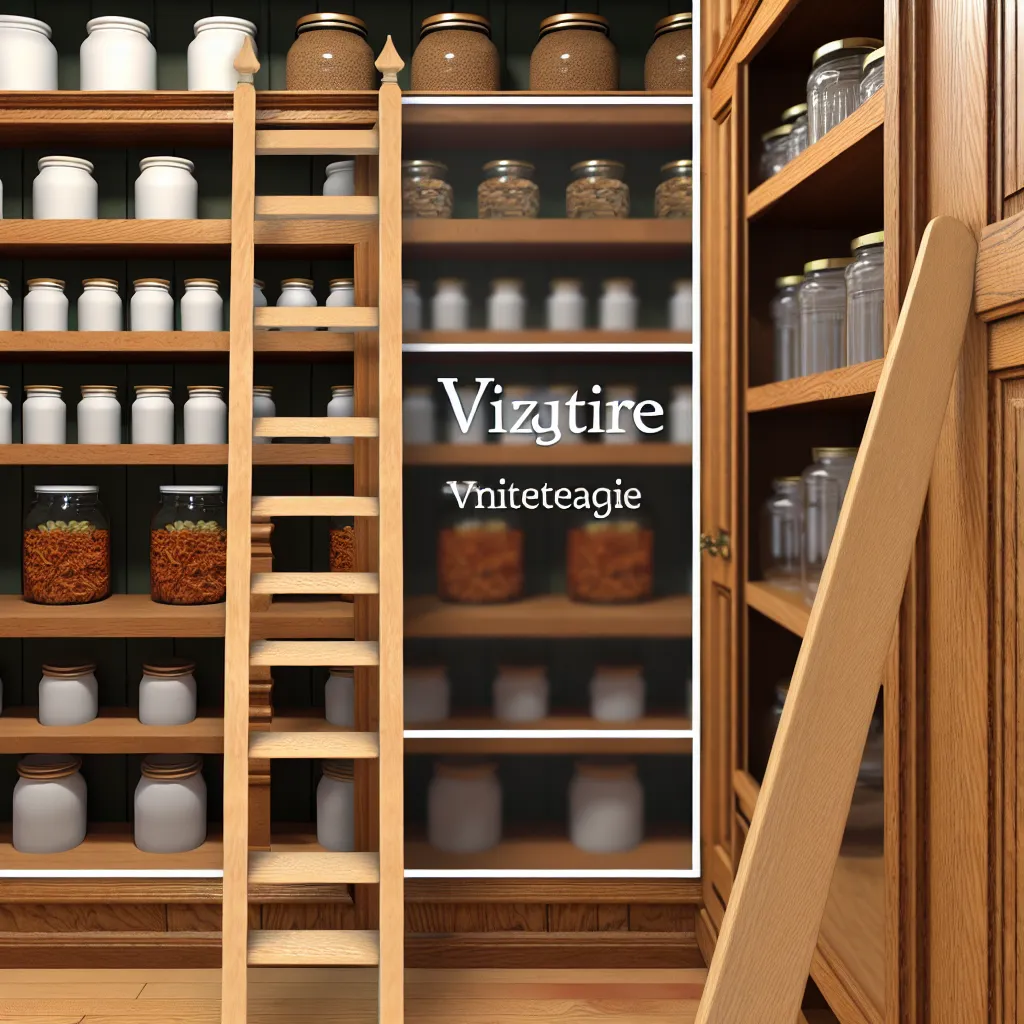
Space Planning Essentials
Successful walk-in pantries balance maximum storage with comfortable circulation. Traditional design principles guide optimal proportions and layout.
Minimum Dimensions
- Small walk-in: 5x5 feet (provides U-shaped shelving)
- Medium walk-in: 6x8 feet (allows counter workspace)
- Large walk-in: 8x10 feet or more (accommodates specialized zones)
- Aisle width: minimum 36 inches for comfortable passage
- Door clearance: full 36-inch swing for easy access with arms full
Proportion Wisdom
Traditional pantries favored rooms slightly longer than wide, creating natural progression from entrance to back wall. This proportion feels more inviting than perfect squares while maximizing linear shelving.
Shelving Configuration
Floor-to-ceiling shelving maximizes capacity while creating impressive visual impact. Natural oak remains the heritage standard for its beauty and durability.
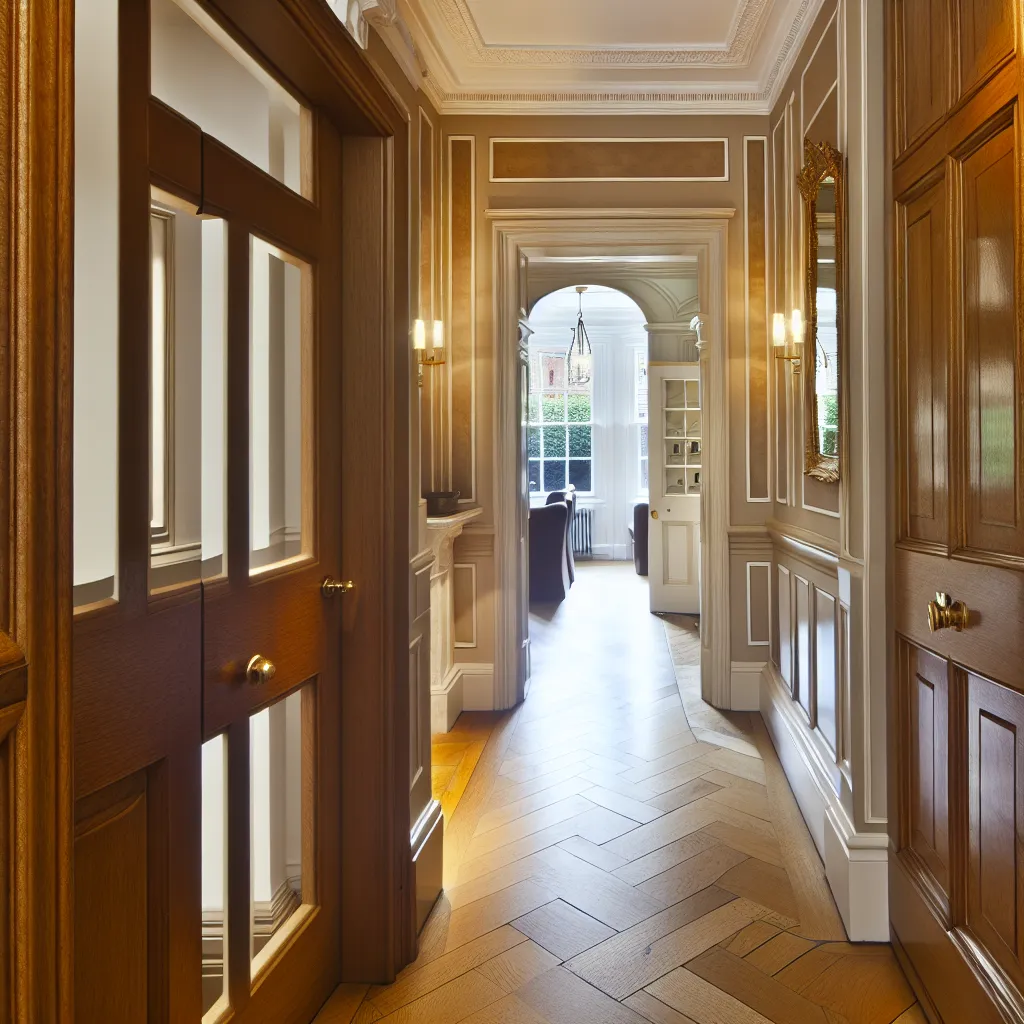
Shelf Planning
- Bottom shelves (floor to 24"): Heavy bulk items, baskets, appliances
- Lower shelves (24-48"): Frequently accessed everyday items
- Eye-level shelves (48-66"): Prime storage for regular cooking ingredients
- Upper shelves (66-84"): Less-frequent items, overflow storage
- Top shelves (above 84"): Seasonal items, rarely-used specialty equipment
Material Selections
Quality materials create pantries that serve beautifully for generations. Natural elements age gracefully, developing character through years of use.
Classic Material Palette
- Shelving: Natural oak, 3/4" thick for strength and beauty
- Hardware: Solid brass shelf supports and brackets
- Walls: Warm white painted beadboard or smooth plaster
- Flooring: Traditional terracotta tiles or oak planks
- Trim: Crown molding and baseboards in classical profiles
Specialized Storage Zones
Large walk-in pantries benefit from dedicated zones for different storage types and functions.
Zone Organization
- Baking Zone: Flours, sugars, equipment clustered together
- Can Goods Section: Deep shelves for stable stacking
- Dry Goods Area: Pasta, rice, grains in heritage containers
- Beverage Station: Coffee, tea, wine storage with serving accessories
- Counter Workspace: For mixing, portioning, or appliance use
Flexibility Planning
Use adjustable shelving systems that allow future reconfiguration. Cooking habits evolve, and the best heritage pantries adapt gracefully to changing needs while maintaining classical aesthetics.
Architectural Details
Thoughtful details elevate walk-in pantries from utilitarian storage to elegant rooms worthy of heritage homes.
- Crown molding matching main home trim for cohesive design
- Baseboards protecting walls from basket and container contact
- Chair rail detailing for visual interest and wall protection
- Traditional door with brass hardware and glass panel option
- Window when possible for natural light and ventilation
Climate Control
Proper temperature and humidity ensure ingredient longevity. Walk-in pantries should maintain conditions similar to main living spaces.
Environmental Optimization
- Temperature: 60-70°F ideal for most ingredients
- Humidity: 40-50% prevents moisture issues and excessive drying
- Ventilation: Small grate or return air for circulation
- Insulation: Adequate for temperature stability
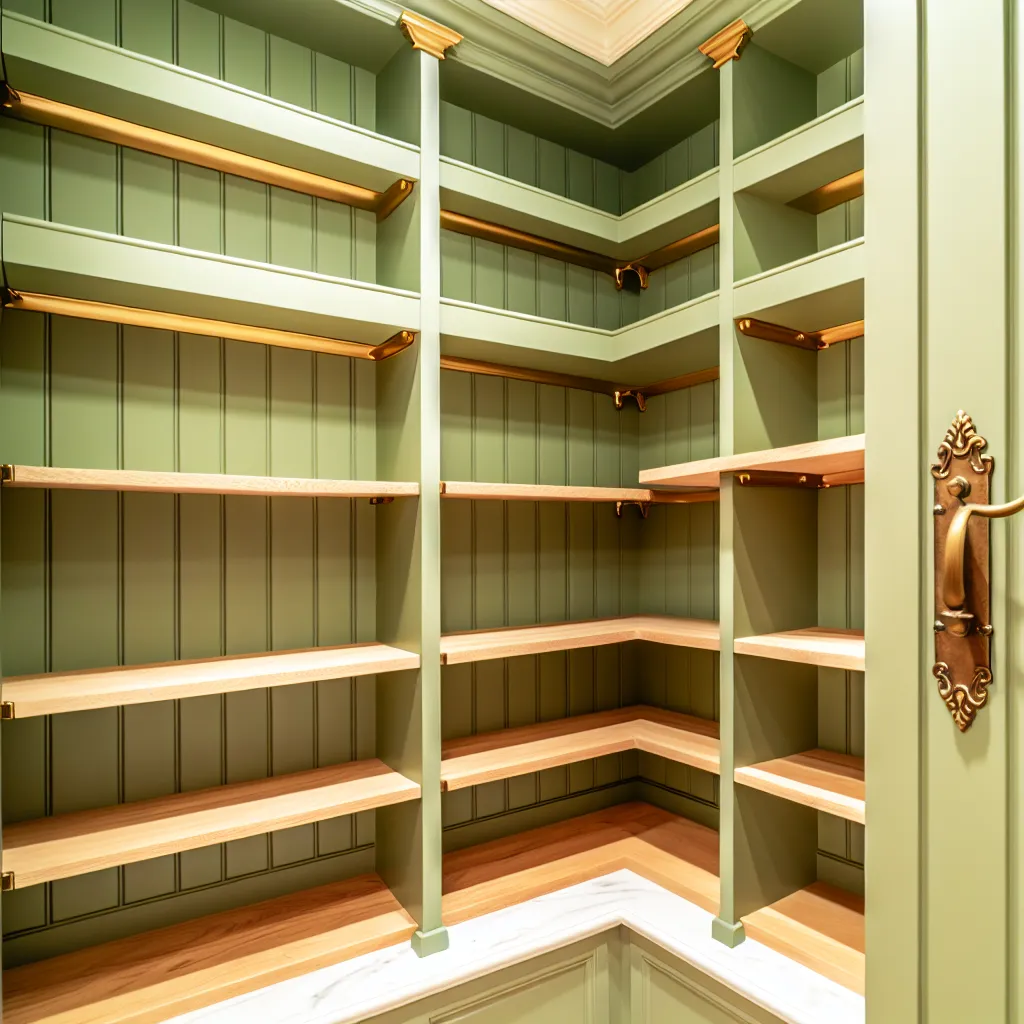
Accessibility Solutions
Traditional elements like library ladders provide charming access to high storage while honoring heritage aesthetics.
Access Options
- Rolling library ladder on brass rail system
- Traditional wooden step stool in coordinating finish
- Pull-out step integrated into lower cabinetry
- Sturdy fixed step for permanent high-shelf access
A well-designed walk-in pantry becomes the heart of heritage kitchen living—a beautiful, functional space that honors traditional craftsmanship while supporting contemporary cooking life. The combination of thoughtful planning, quality materials, and classical design creates pantries that serve families beautifully across generations.